
Form, Fact, and Fragment
Diane Pearl, Wren Bernstein, Catherine Lipsetz Dauer,
Elizabeth diGiacomantonio, and Gregory St John
Opening Reception May 30, 2-4pm
Show dates: May 28 - June 21
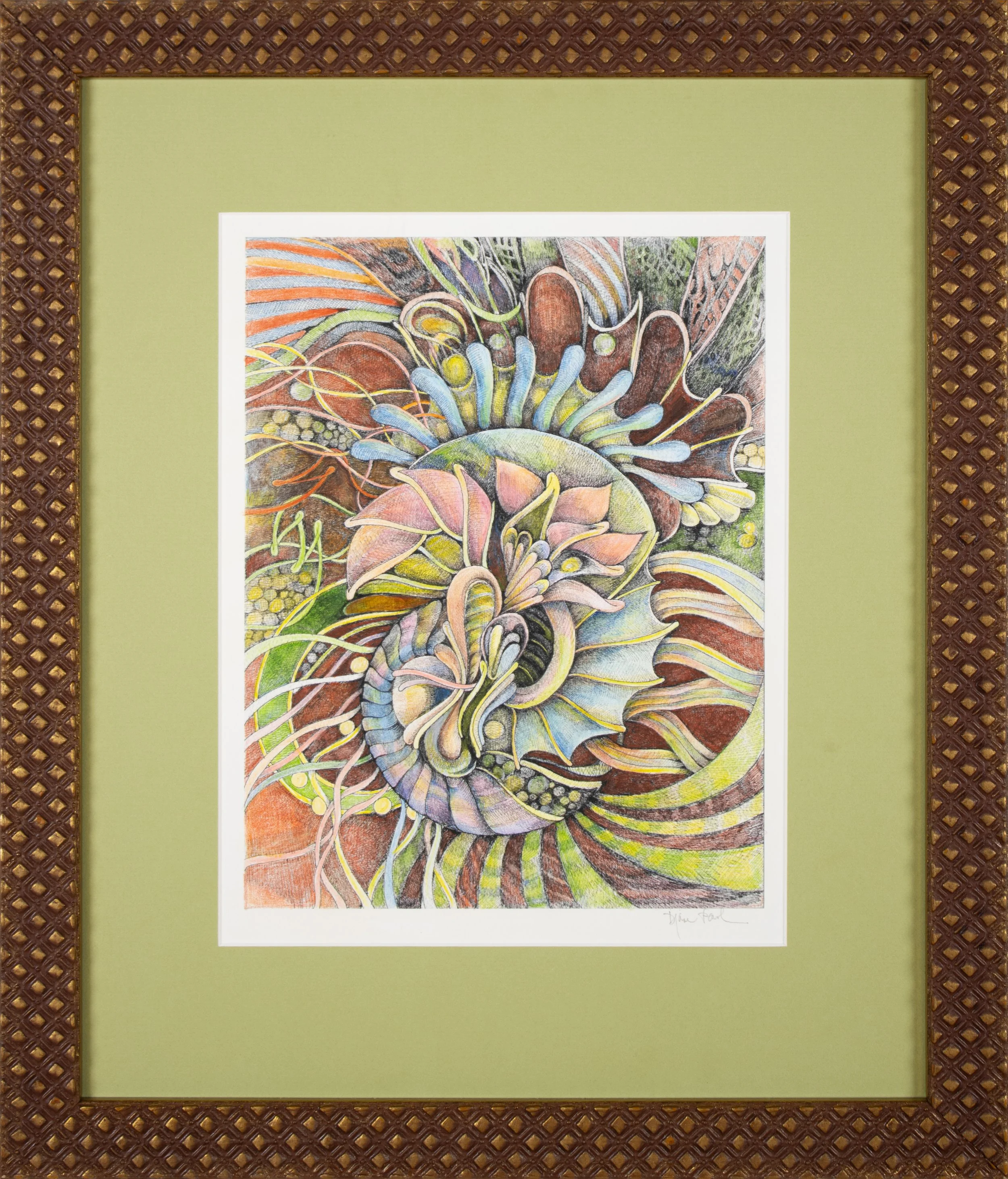
Diane Pearl: Inspired by my father who was a photo realist painter, this series is an exploration of dynamic cross-hatching to create 3-dimensional mythic worlds and imaginary places. Using a variety of mediums including colored pencils, pen and ink, and watercolors we invite the viewer to enter new worlds of imagination that are both surreal and real.
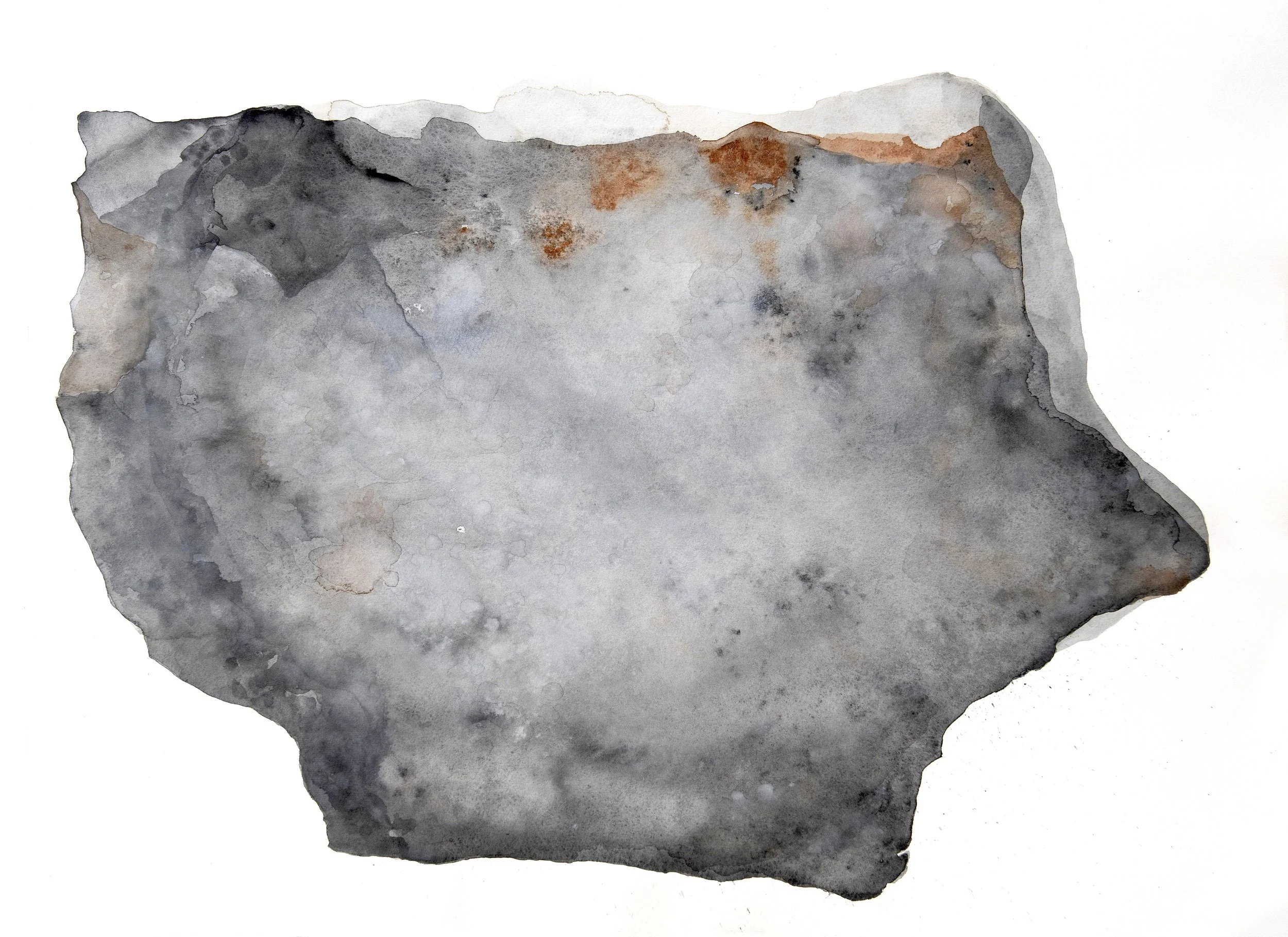
Catherine Lipsetz Dauer: As part of my ongoing exploration of time’s marks, pace and passage, these plein air geologic works on paper were painted over the last decade at a property in rural Western Massachusetts. The deep, patient observation required of this work reveals the subjects to be unexpectedly ephemeral; not inscrutable and static as typically perceived. Collected layers of observed light and color are built up into pure forms, surrounded by intentional, airy negative space that accentuates my non-representational intention and acknowledges the subject’s displacement from its surroundings. Creating these process-oriented works is experiential and iterative—embracing the happenstance and results of elements like chance weather, wind and natural detritus as a kind of passive collaboration. The series offers me grounding in the present, and perspective on relationship between the arc of time, human experience and the natural world.
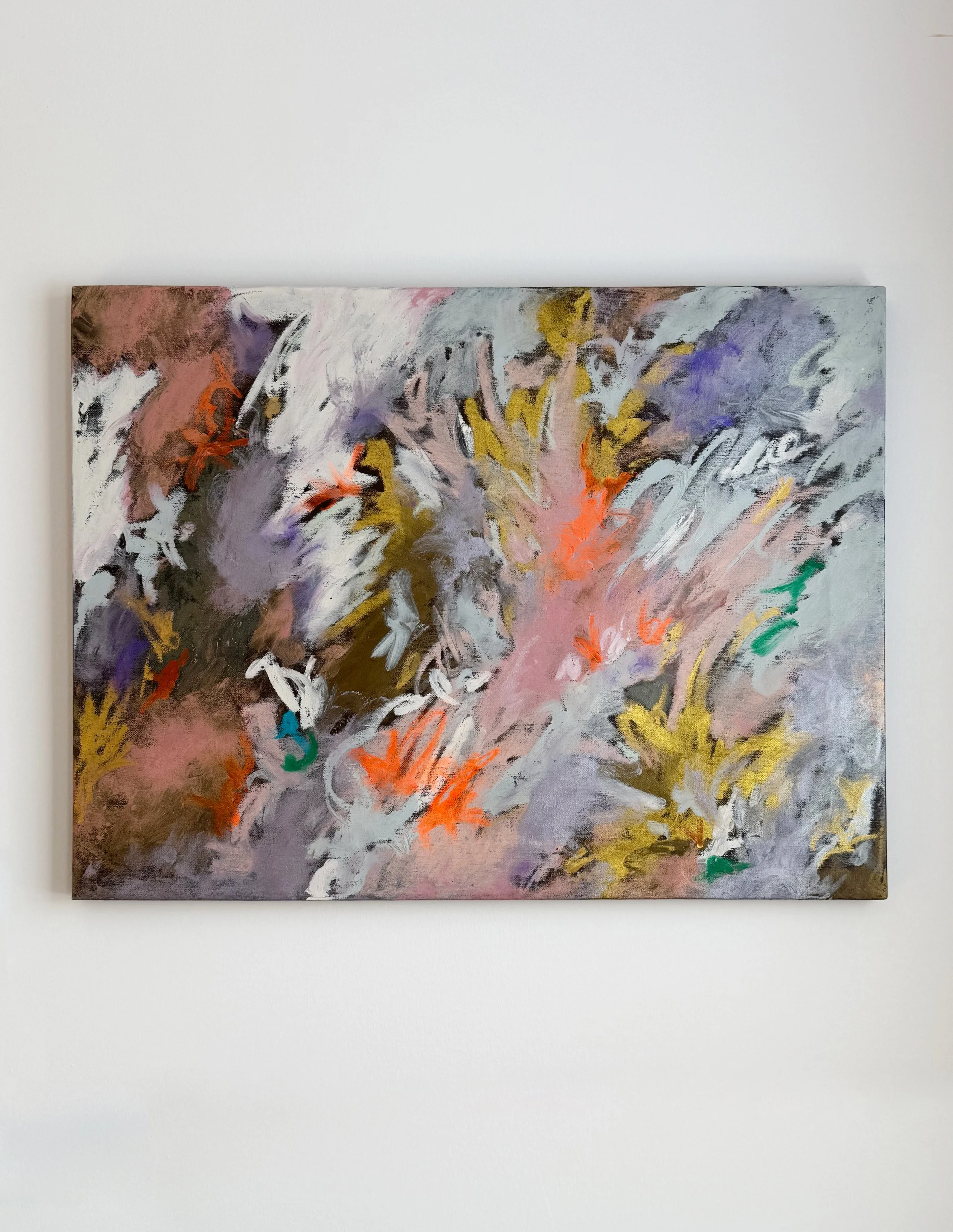
Elizabeth diGiacomantonio: My work focuses on memory in abstraction and how memory is experienced in the body and expressed through gesture. I am interested in themes of synchronicity and the collective unconscious and drawn to the power of the collective. My work explores the ways in which our past experience shapes our current reality. My aim is to create pieces that are visually engaging and emotionally resonant, inviting the viewer to reflect on their own experiences and the role that memory plays in their lives.
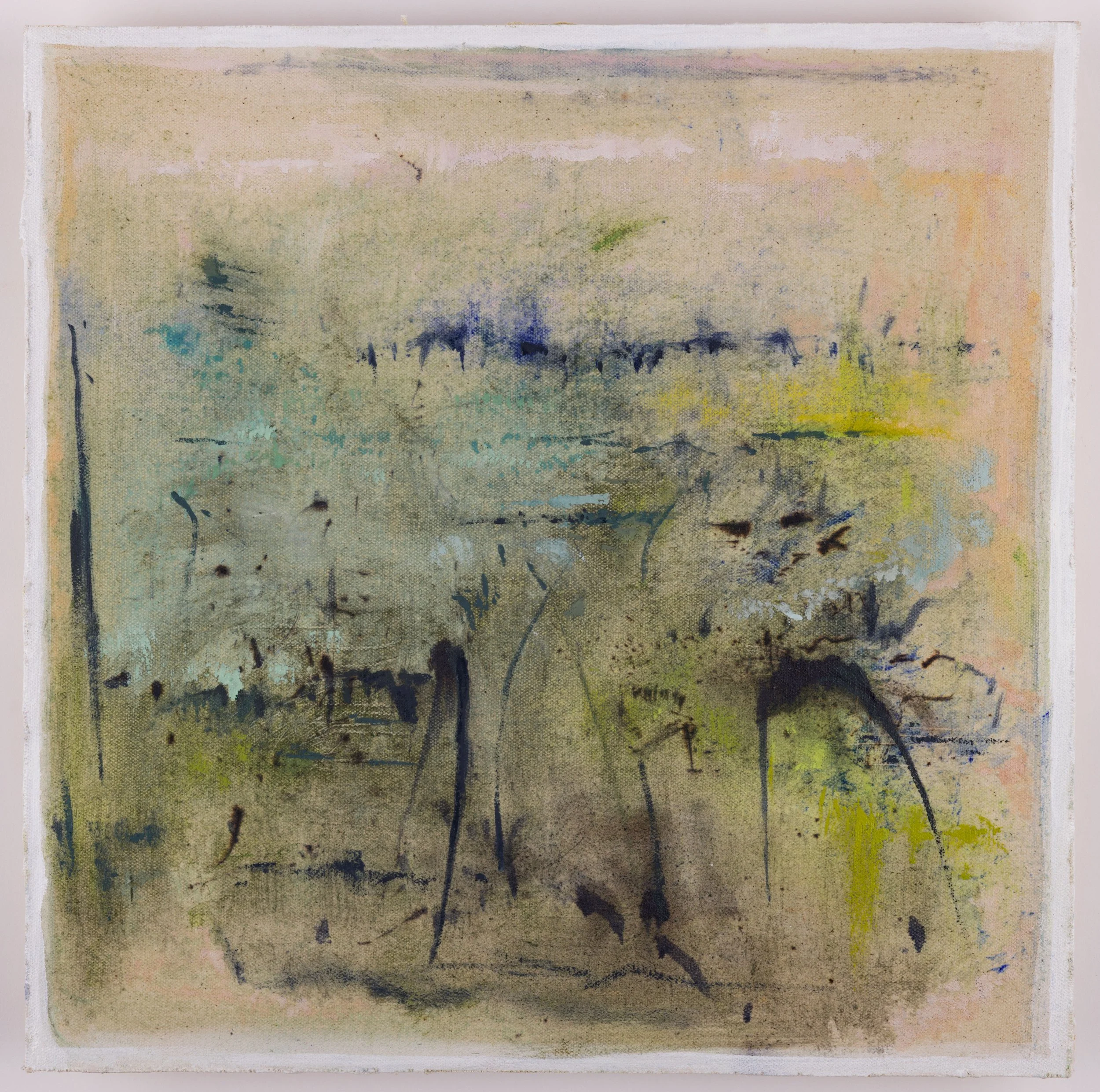
Gregory St John: In the last several months I have been taking afternoon walks where I live “My Neighborhood”. My walks have become adventures of never knowing what you may see or encounter. The current group of paintings I have been working on stem out of these influences. The colors, shapes, marks and textures that I attempt to describe in my paintings are primarily drawn from the natural world, the broader landscape and the world below our feet.
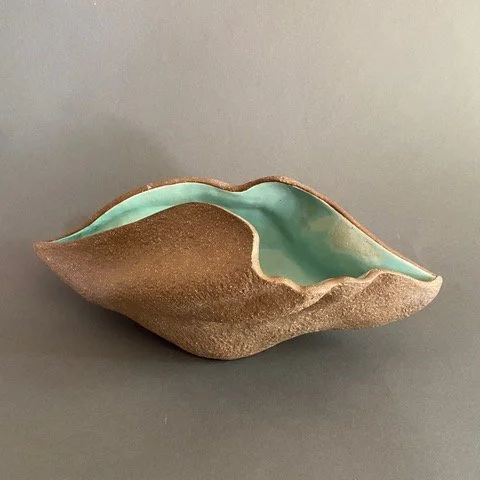
Wren Bernstein: Ceramic art is a relatively new love of mine, after dabbling in various mediums from childhood onward and diving deeply into metalsmithing and jewelry design more than five decades ago. I have been delighted to discover how that this history of working with metal strongly informs my relationship with clay, as many of the principles of creating forms are the same for both materials. But unlike metal, which requires tools between the hand and the medium, clay is responsive to the direct touch of the hands and therefore offers its own primal satisfactions. Though I can throw a pot on the wheel if I have to, I am most intrigued with the endless possibilities available in hand building. Coil pots offer the opportunity to have a “conversation” with the clay about what kind of form wants to emerge, and slab work is extra receptive to the use of stamps, natural and homemade, for a richness of texture. In all of my work I am conscious not just of the form and surface but also the edge and how it interacts with the empty space around it, and I continually seek to experiment with and refine that relationship. Artmaking is always a response to something—perhaps to culture, to science and technology, to humans and other creatures. For many, and for me, it seems mostly about the designs found in nature and how those want to be felt, appreciated, and interpreted. I experience this less as a conscious choice than as a friendly compulsion requesting tangible, and hopefully unique, expression. I like to describe my pieces as sculptural vessels. They are not necessarily “pottery,” per se, as that denotes a commitment primarily to practical use. But they do reference—or sometimes even function as—practical objects, which roots them in pottery’s ancient origins as utensils to facilitate the needs of daily life. Though I always ask myself what kind of substance or object any given piece might hold, sometimes the answer is intangible and mysterious.
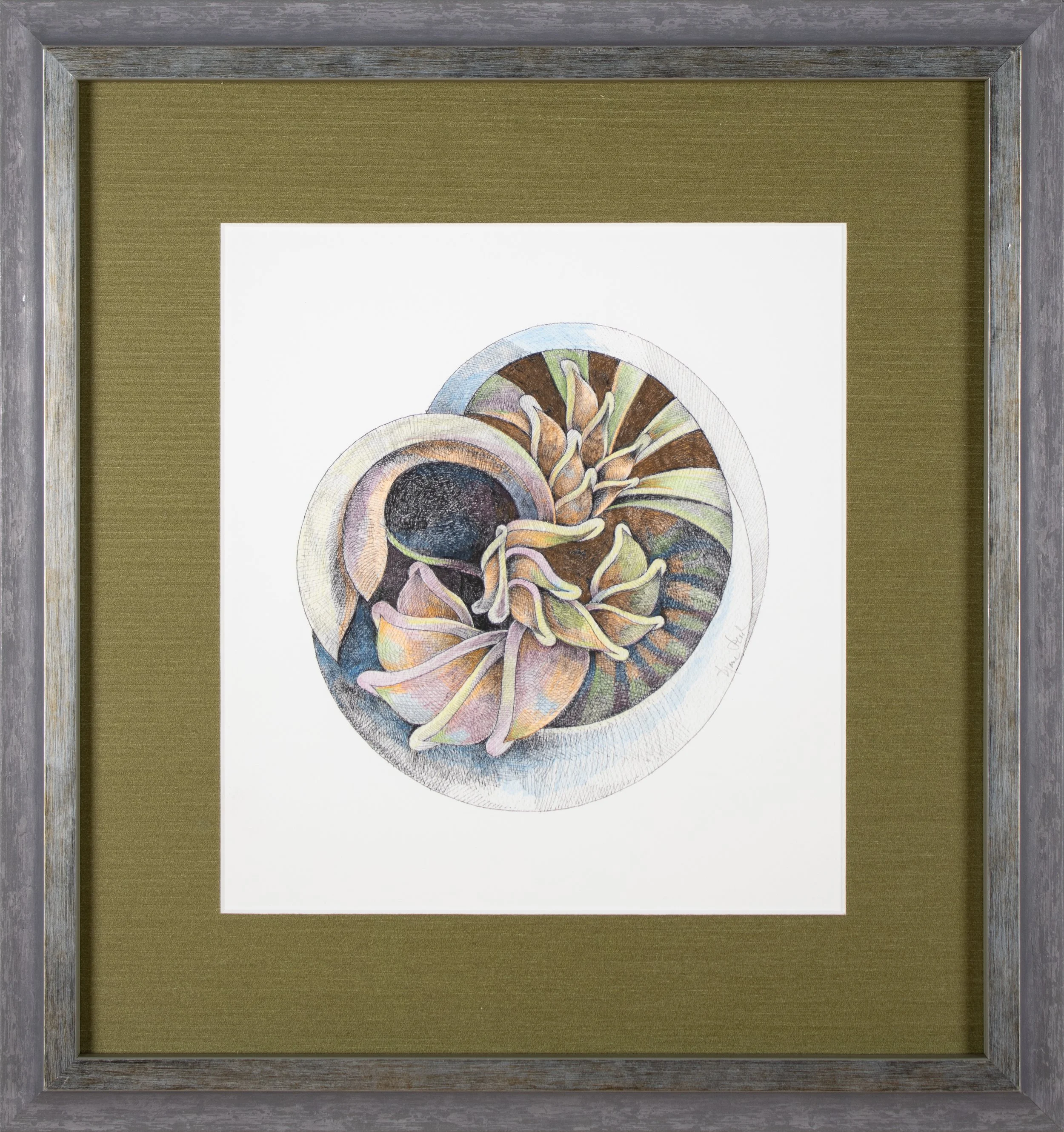
Diane Pearl
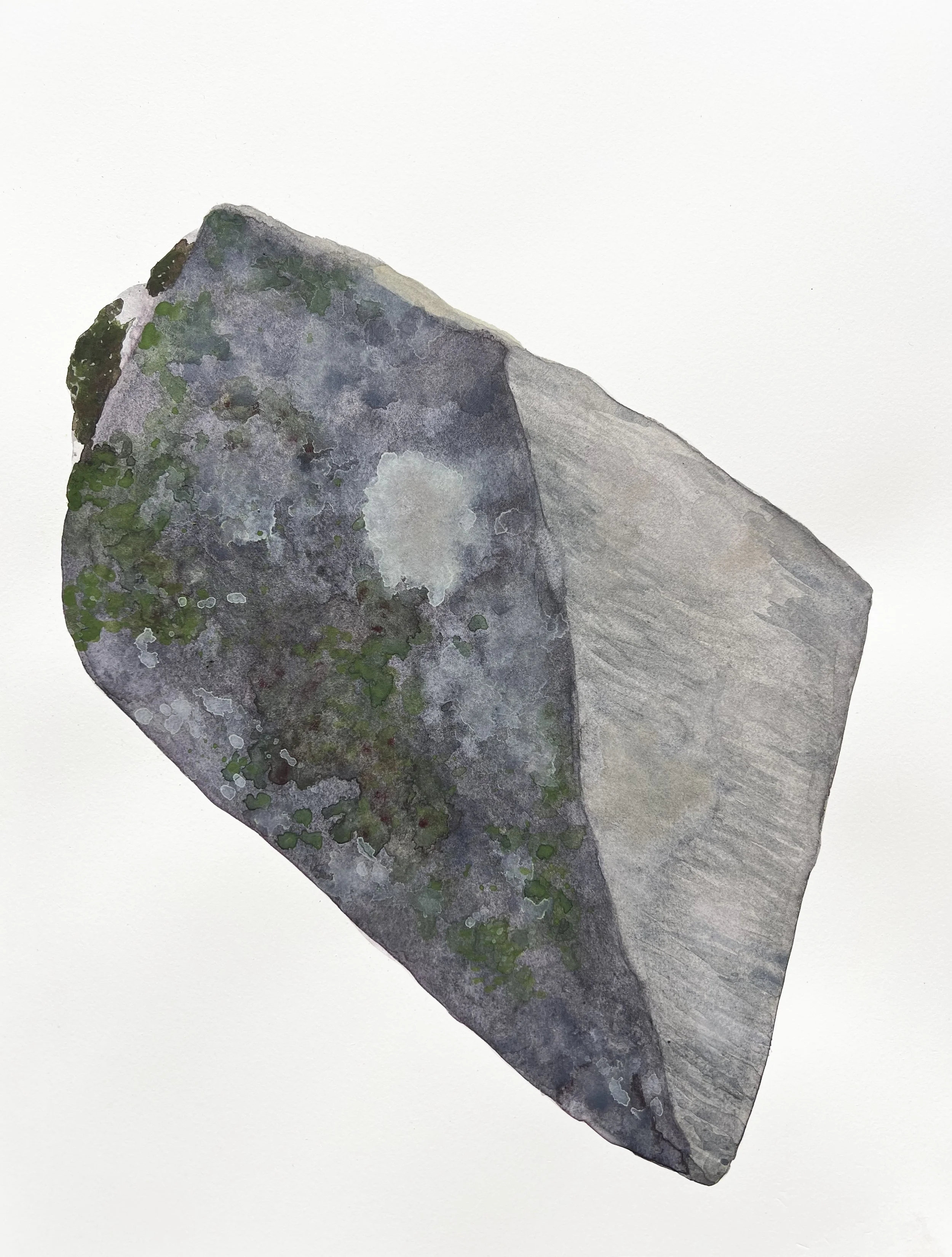
Catherine Lipsetz Dauer
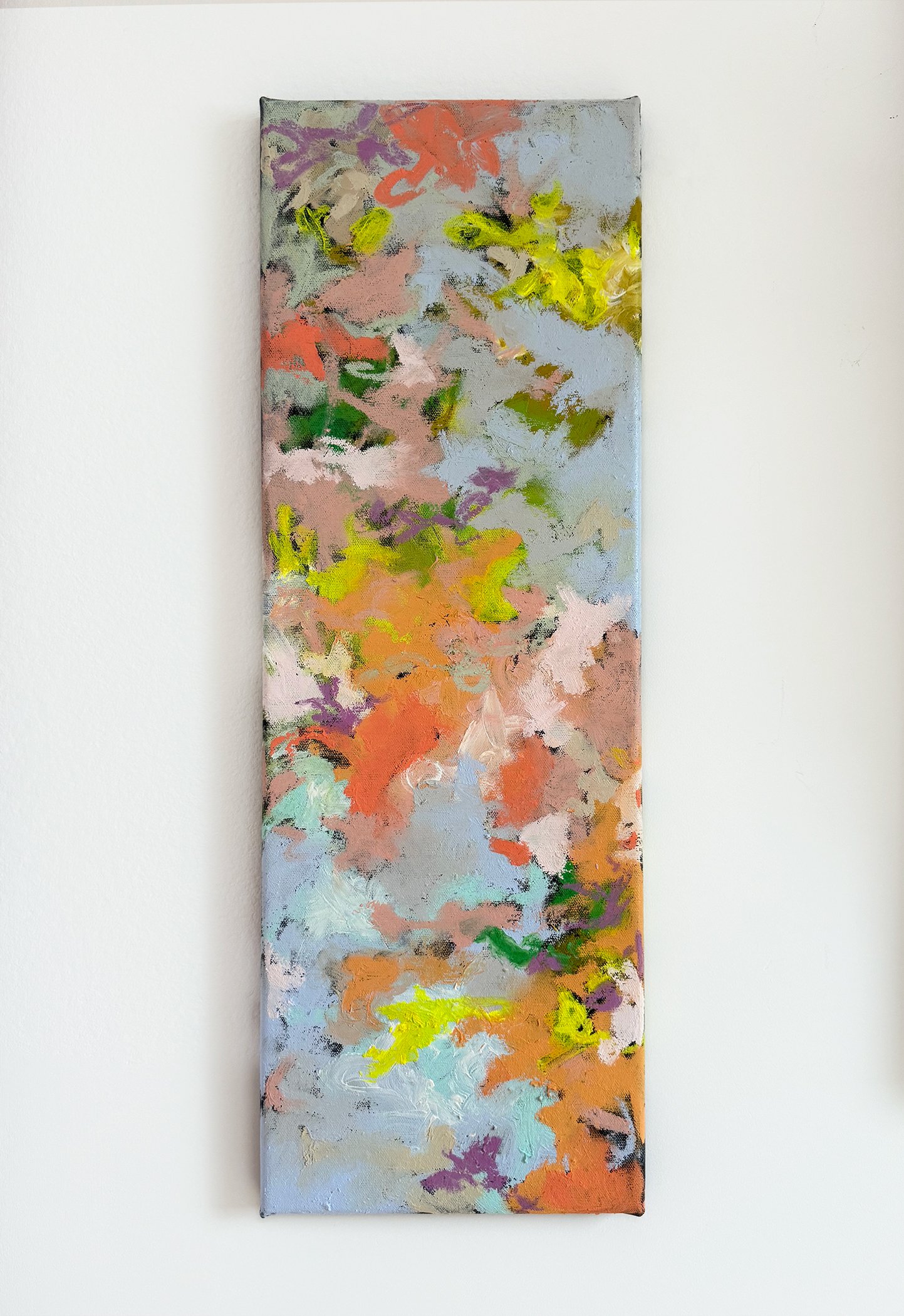
Elizabeth diGiacomantonio
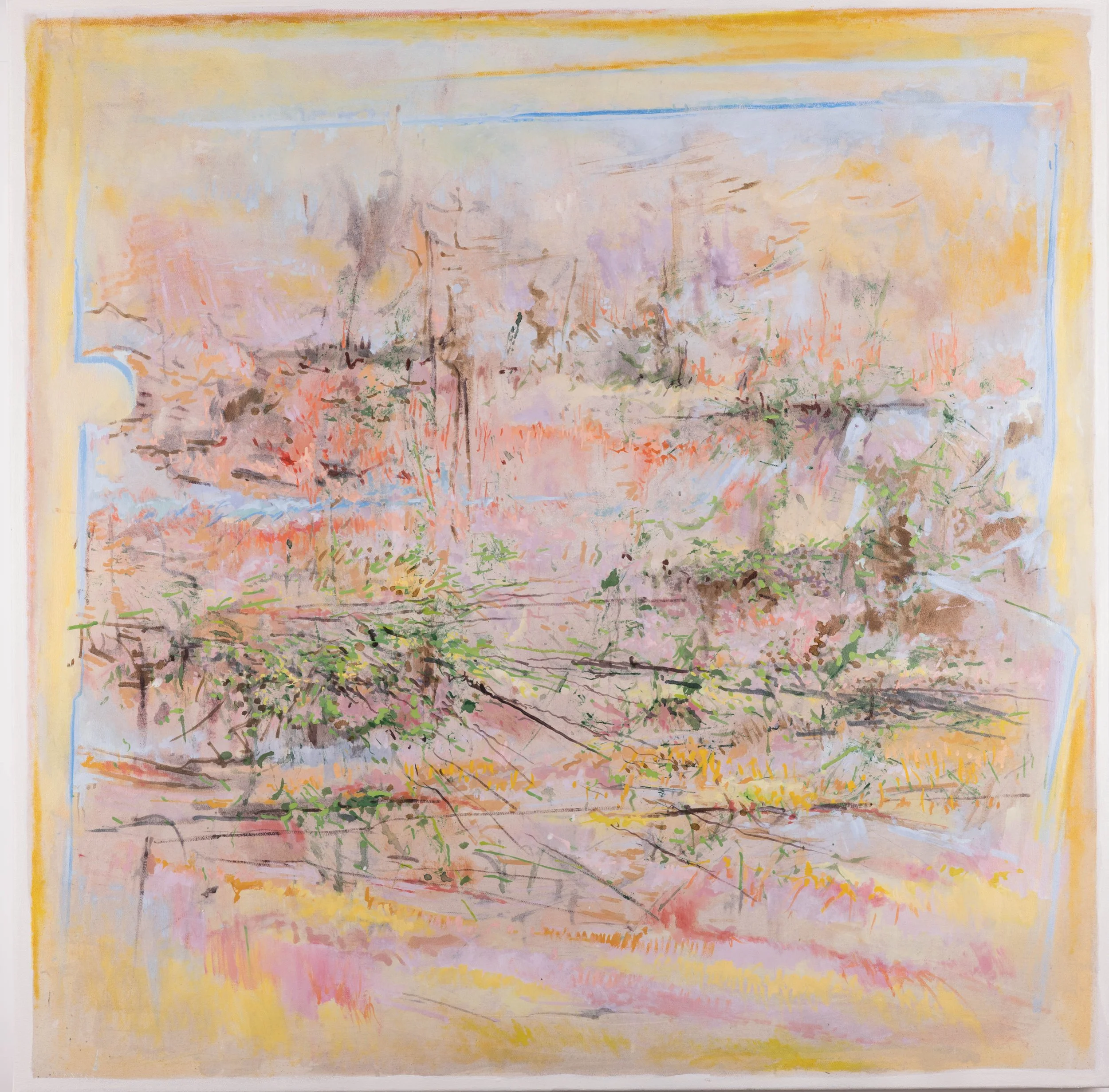
Gregory St John
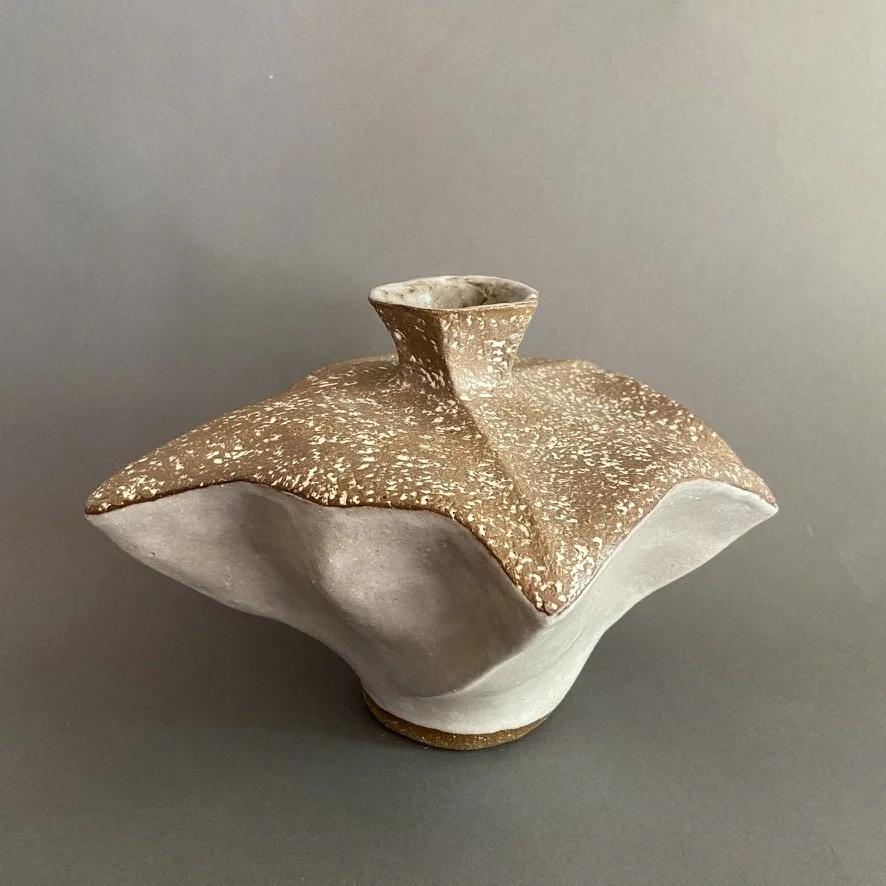
Wren Bernstein