
Spirited Material
Andrew Maurer, Barbara Neulinger, Maryna Bilak, Ruth Rinard, and Shawn Farley
Opening Reception May 2, 2-4pm
Show dates: April 30 - May 24
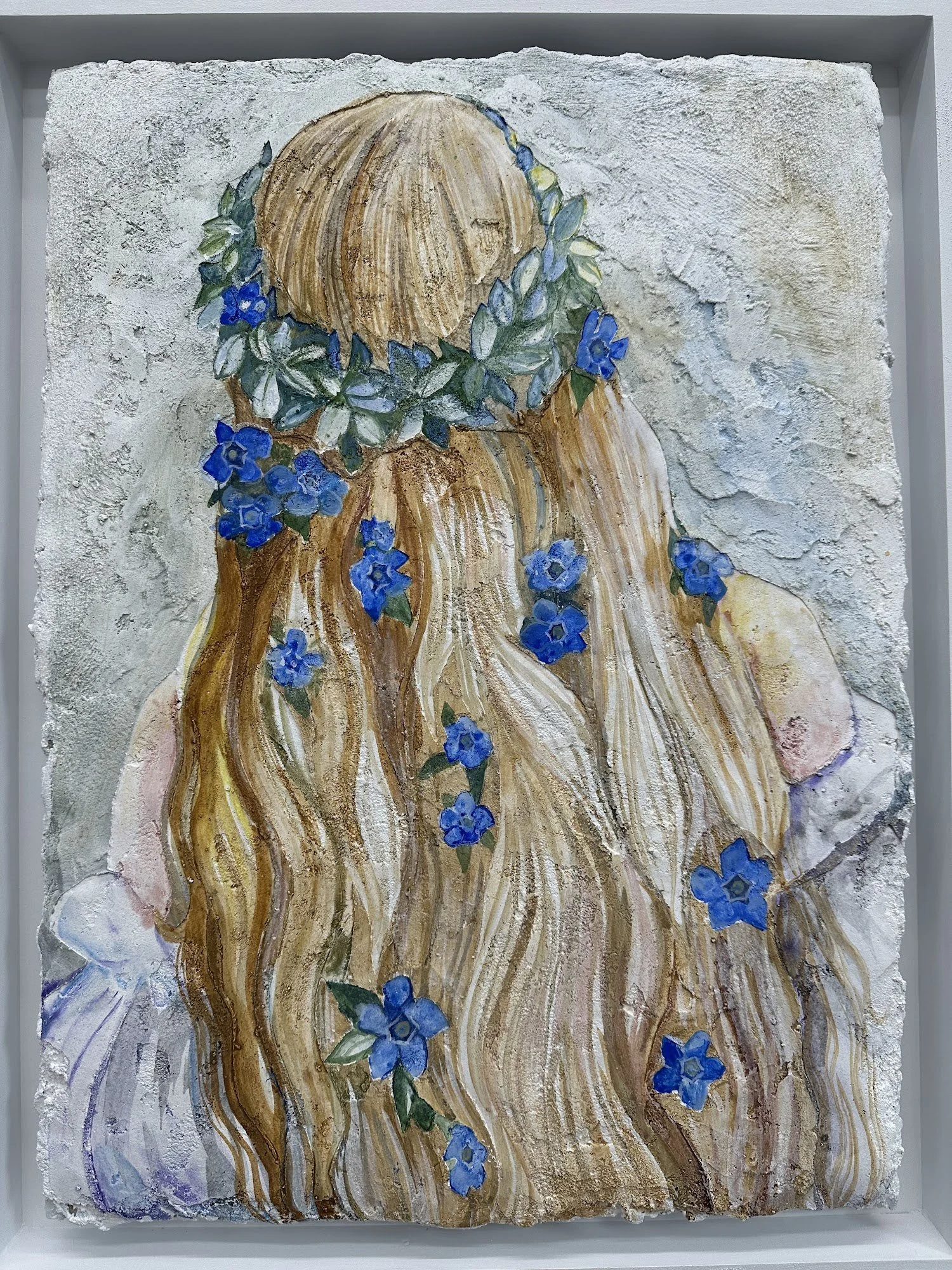
Maryna Bilak: Over the past decade of living and working in the Hudson Valley, I have dedicated myself to the art of fresco, the oldest known painting technique. This method incorporates natural ingredients such as sand, limestone, and pigments sourced from the environment. Beginning my art career as a plein air artist, I developed a keen awareness of the subtleties in trees, flowers, and water, which informs my work in fresco. This practice allows me to honor artistic traditions while nurturing a deep respect for the surroundings and the materials I use.
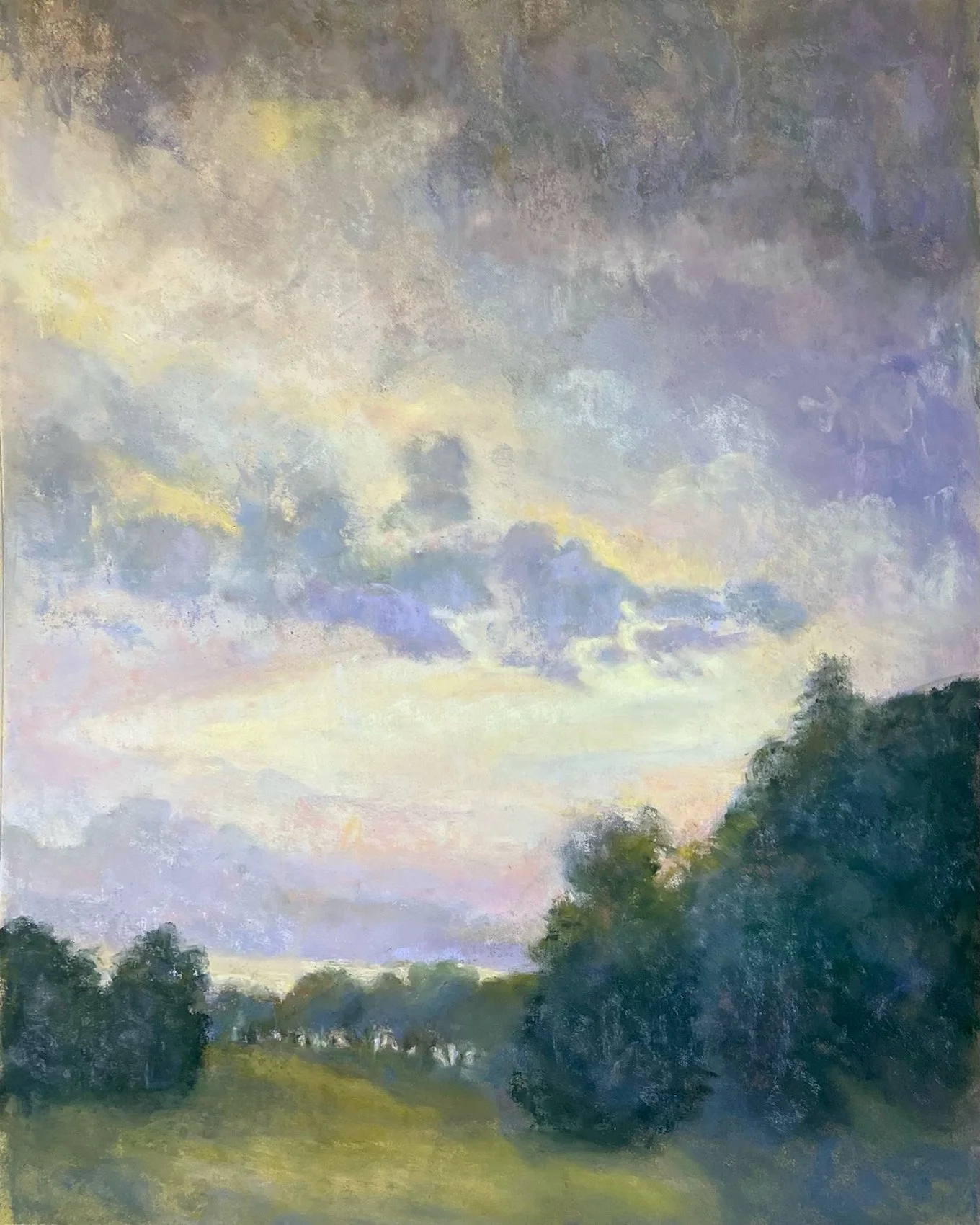
Ruth Rinard: Pastel paintings inspired by the rivers, skies, marshes, and ponds of Western Massachusetts. Using a technique of extensive layers of color, I aim to capture the light and luminescence of this area.
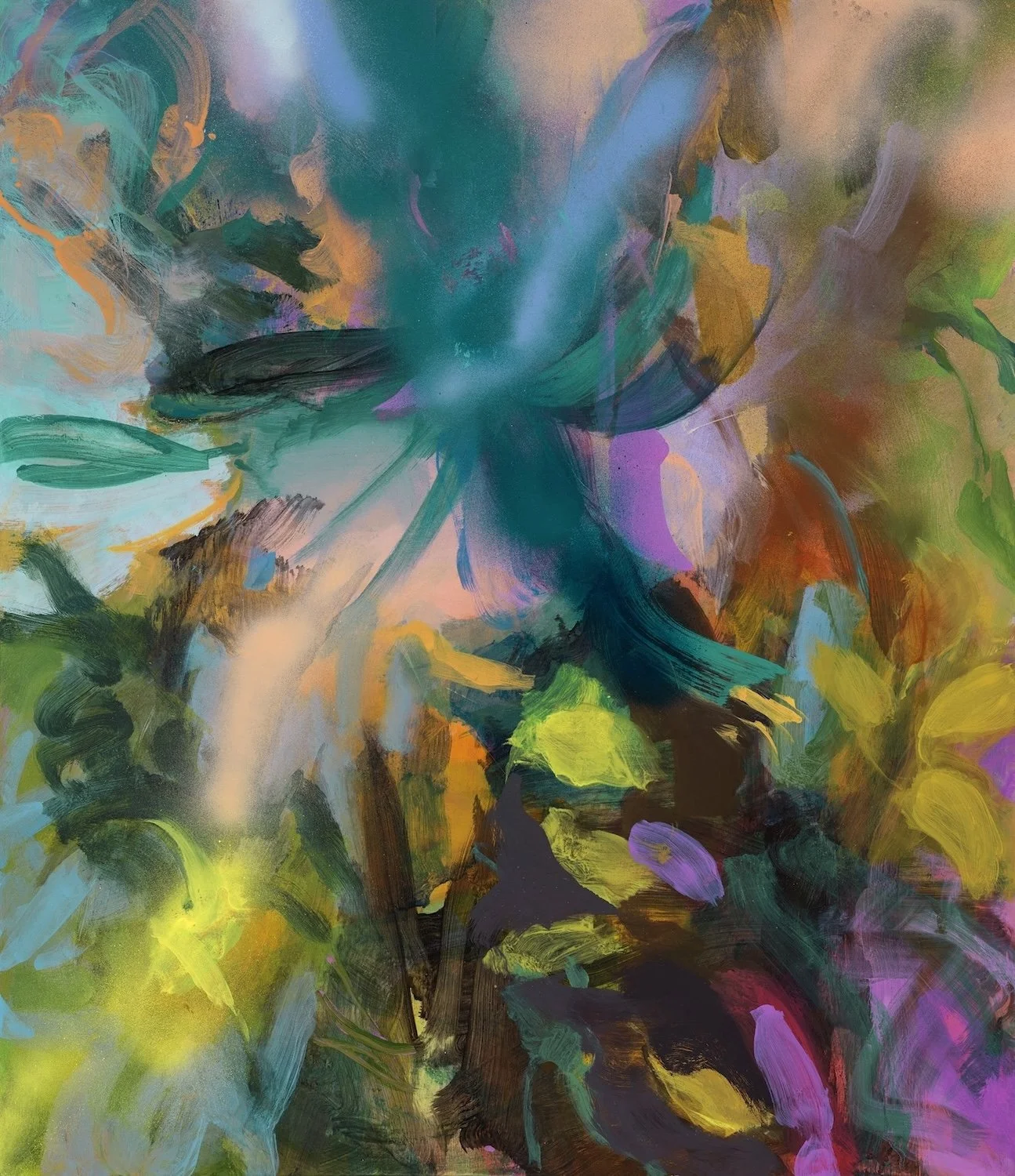
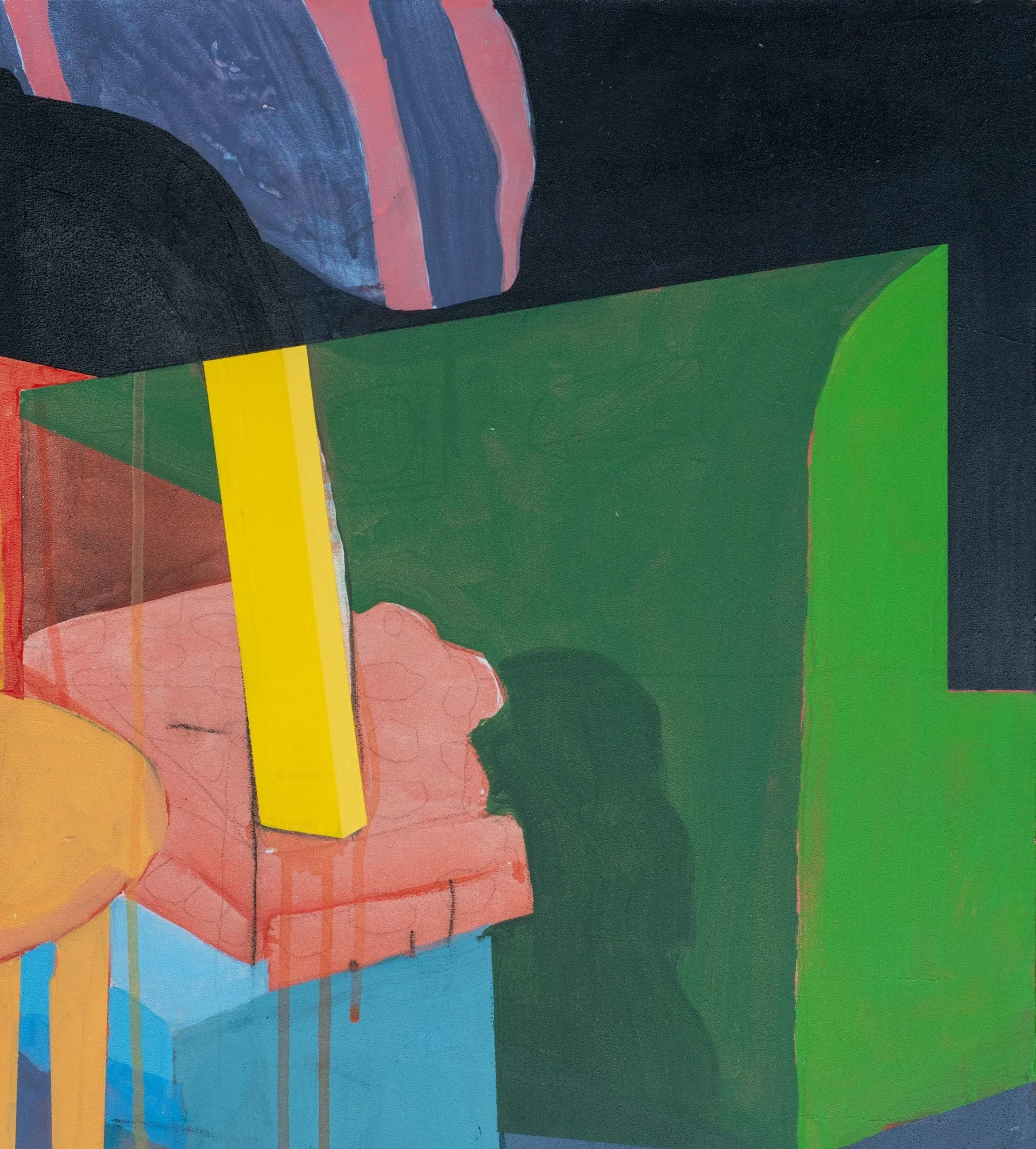
Barbara Neulinger: I speak about meaning in my statement above. Regarding process, I am in active dialogue with my materials (as well as with the shapes, lines and surfaces) as I'm working. I start with large washes and build a shallow space as I work. I use various materials (acrylics, oils, oil sticks) to achieve different types of light. I sometimes use small amounts of spray paint to create shadows, light, and also to vary the mark-making in a painting.
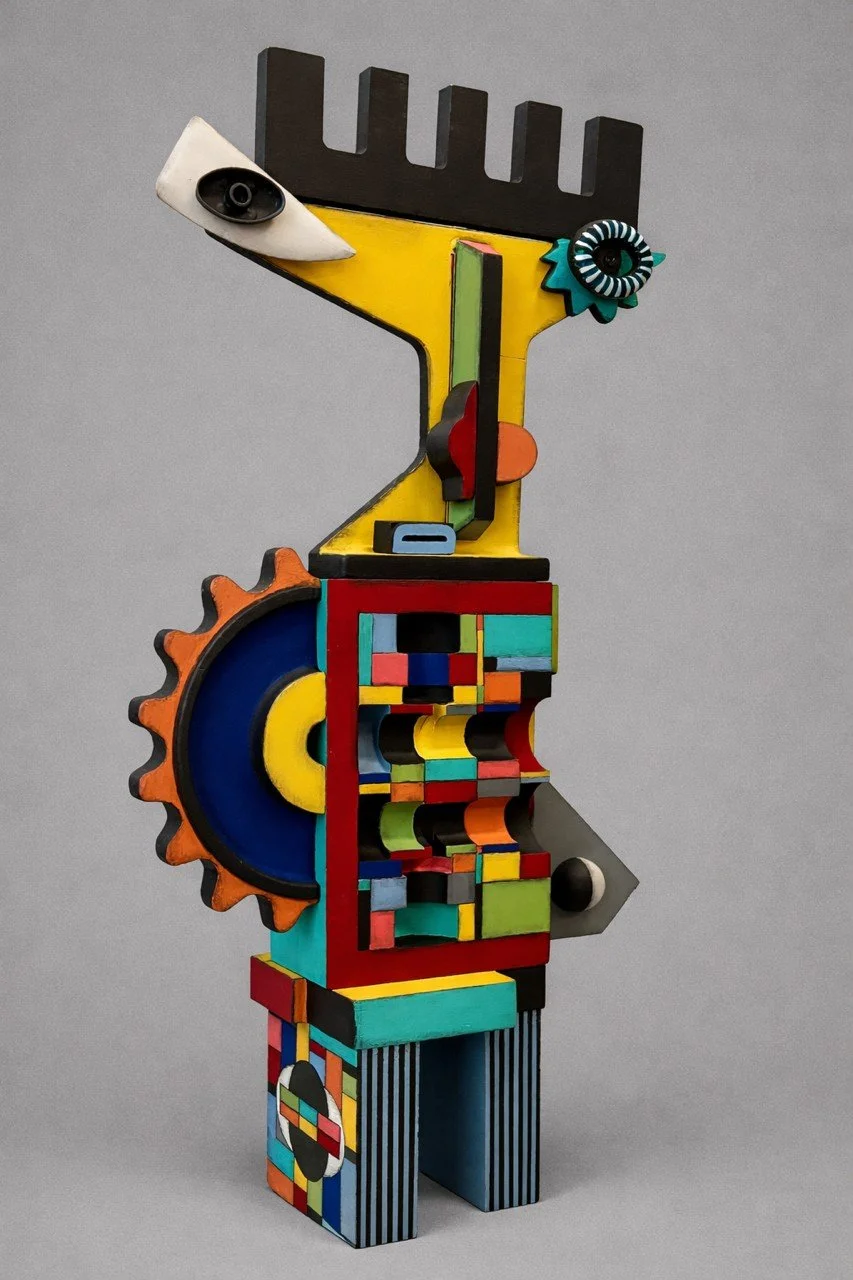
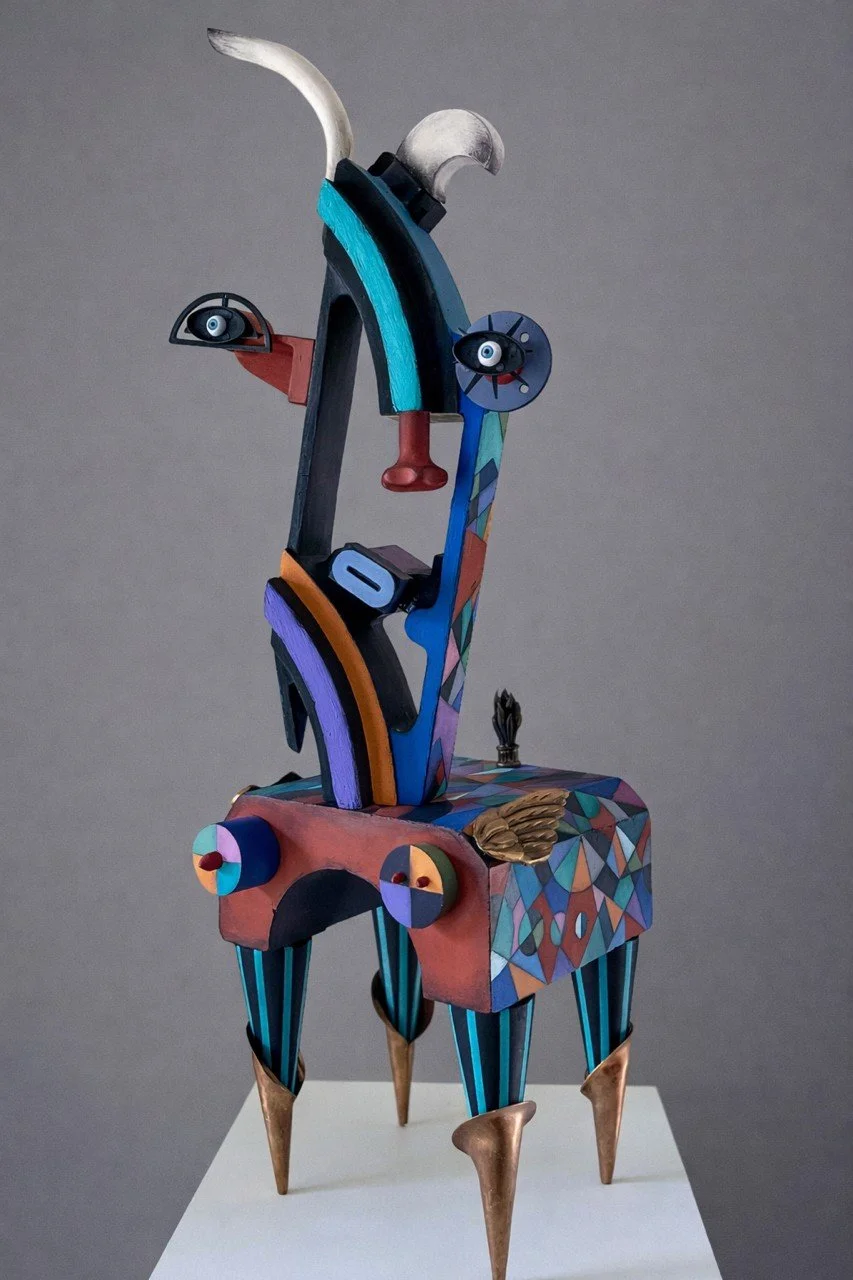
Shawn Farley: My work is an exploration of transformation and reinvention, offering potential renewal for discarded objects. I focus entirely on foundry molds, found objects, and painting to reveal the hidden humanity and stories embedded in these once-functional pieces. I invite viewers to consider themes of history, memory, and resilience, encouraging them to engage emotionally with the sculptures. Considerable time and energy are devoted to sourcing these molds, recognizing each object’s unique past and inherent materiality. My process is methodical and intuitive, involving meticulous attention to the interaction between positive and negative space inherent in each mold and how I join, compose and balance these pieces to ensure durability and preserve their integrity. Combined with the application of color, each sculpture comes to life with anthropomorphic qualities and a distinct personality. Through patient practice and ongoing experimentation, I transform machine-age relics and ordinary objects into sculptures that embody soul, personality, and enduring relevance. I create art that not only transforms materials but also invites reflection on broader human experiences and challenges. Materiality is central, not decorative. The foundry molds aren’t props; they’re historical artifacts that structure the work physically and conceptually. My process is hybrid, balancing intention with chance, editing with openness. Themes emerge from form, rather than being imposed on it. Anthropomorphism isn’t a gimmick — it’s a natural outcome of how these materials interact and evolve in your hands. Reinvention and second life are not just themes but embedded in the materials themselves.
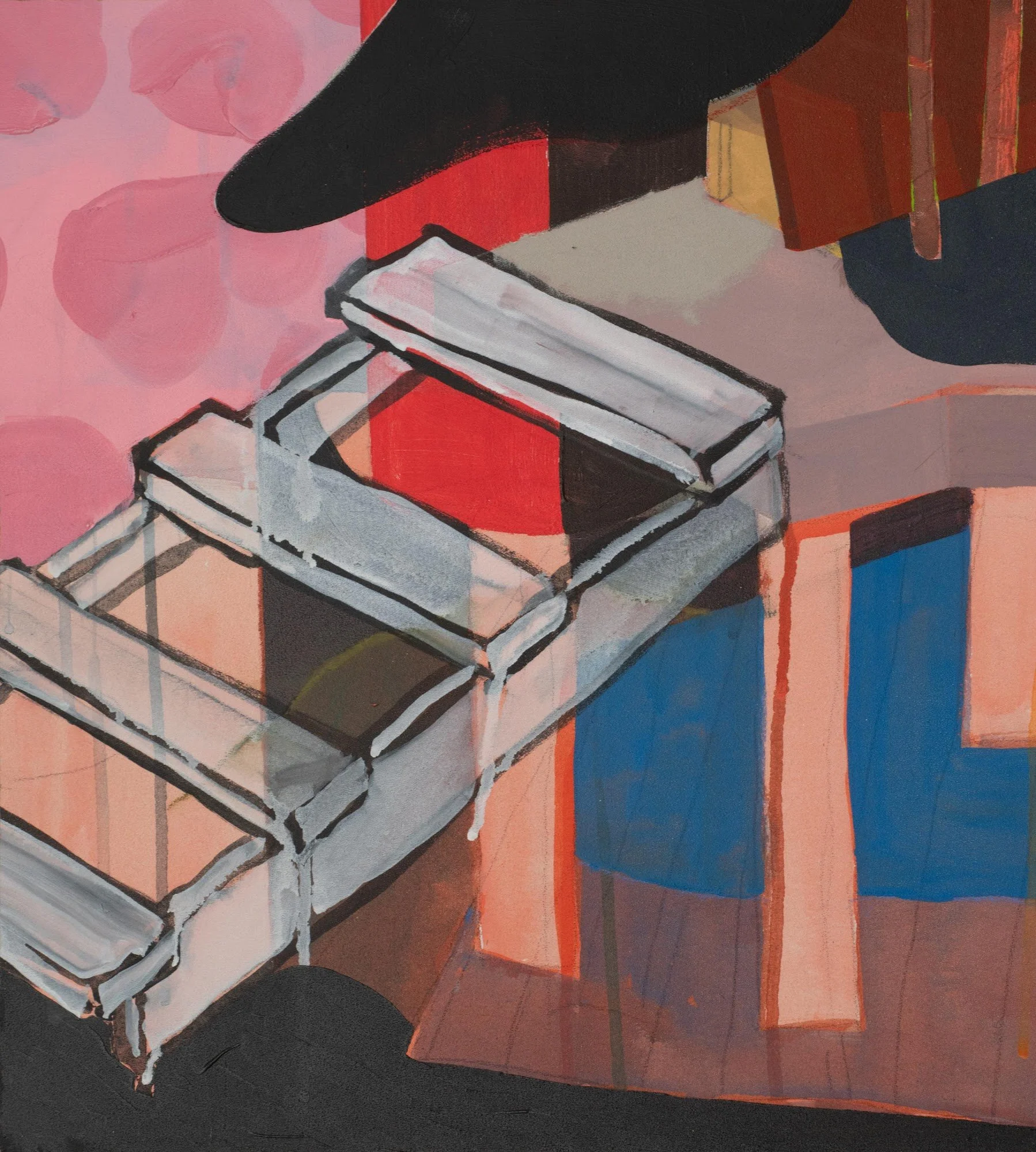
Andrew Maurer: What is most interesting to me about a painting is how well it balances order and chaos, ultimately to arrive at something finished and whole. I like it when the contrast between the chaos and the order is most apparent, or in other words when the balance is right at the tipping point, but tipping just toward order. When I moved in with my partner to a ramshackle farmhouse my whole life became a project to be managed, and those ideas about art took on new resonance. I started seeing the necessity of balancing order and chaos everywhere around me, because order, in itself, was out of the question. Today the goats in the field and the picturesque barn don’t really remind me of a pastoral landscape painting or a genre scene of a milkmaid. They remind me of hard and messy work with little reward, just to keep things functioning. Which also, in a funny-but-not-funny way, reminds me of abstract painting. A homestead is a metaphor for possibility, for making it your own, for the space to create some version of a dream. The same can be said for a painting. The relationship between the two has become a rich source for me, even as my faith in both can wax and wane from day to day. While I sometimes cynically think that making a painting is just escapism–a way to avoid doing any of the infinite number of other things that always seem to need to be done–more and more I have come to see the ways in which painting can inform and enrich the messy process of living, and vice versa, perhaps even in ways that touch on more universal human experiences than my own.
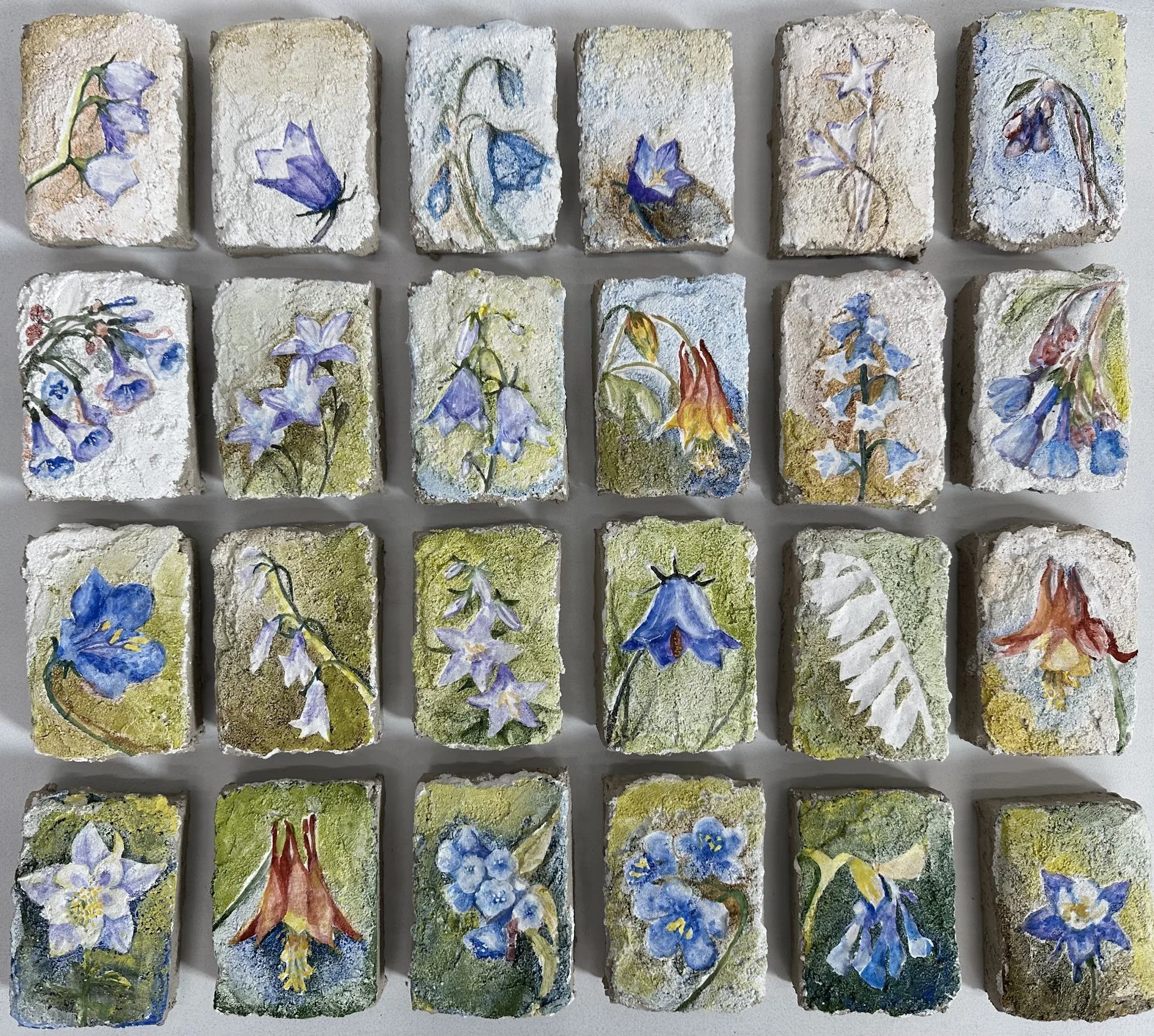
Maryna Bilak
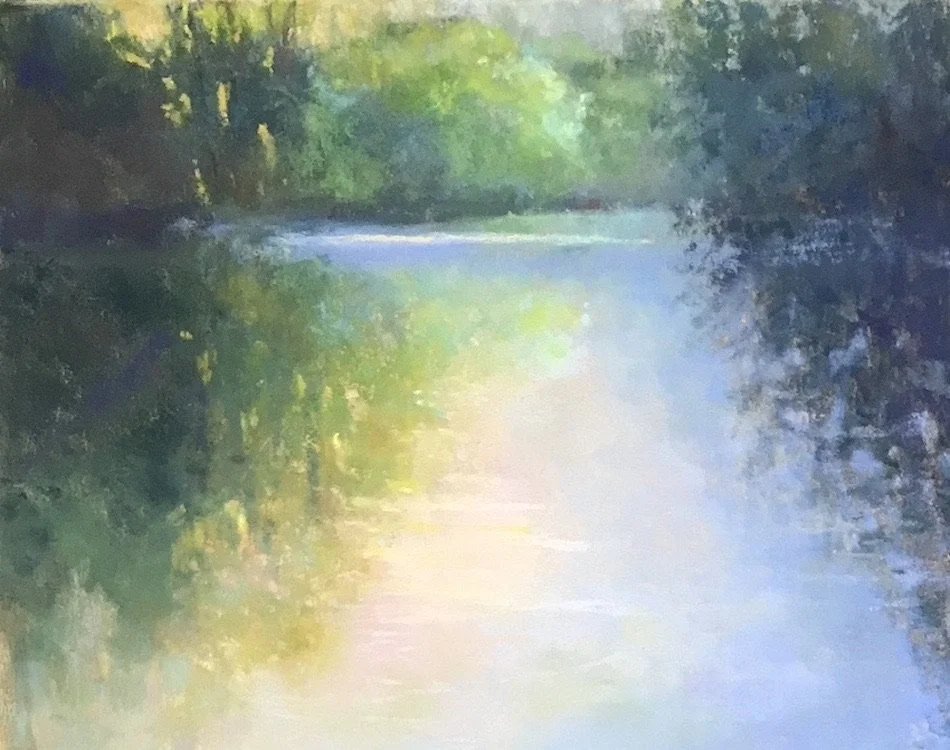
Ruth Rinard
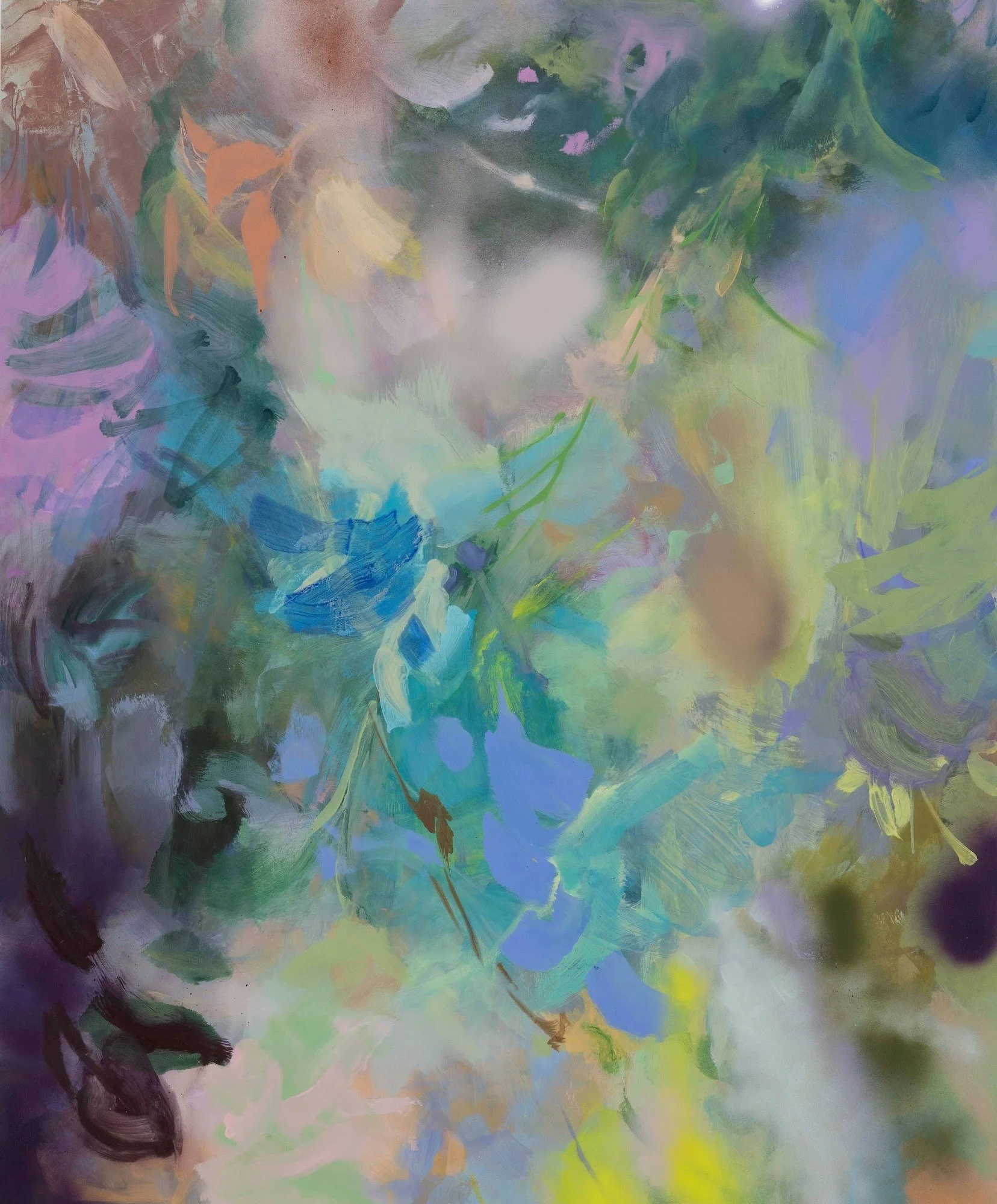
Barbara Neulinger
Shawn Farley
Andrew Maurer